
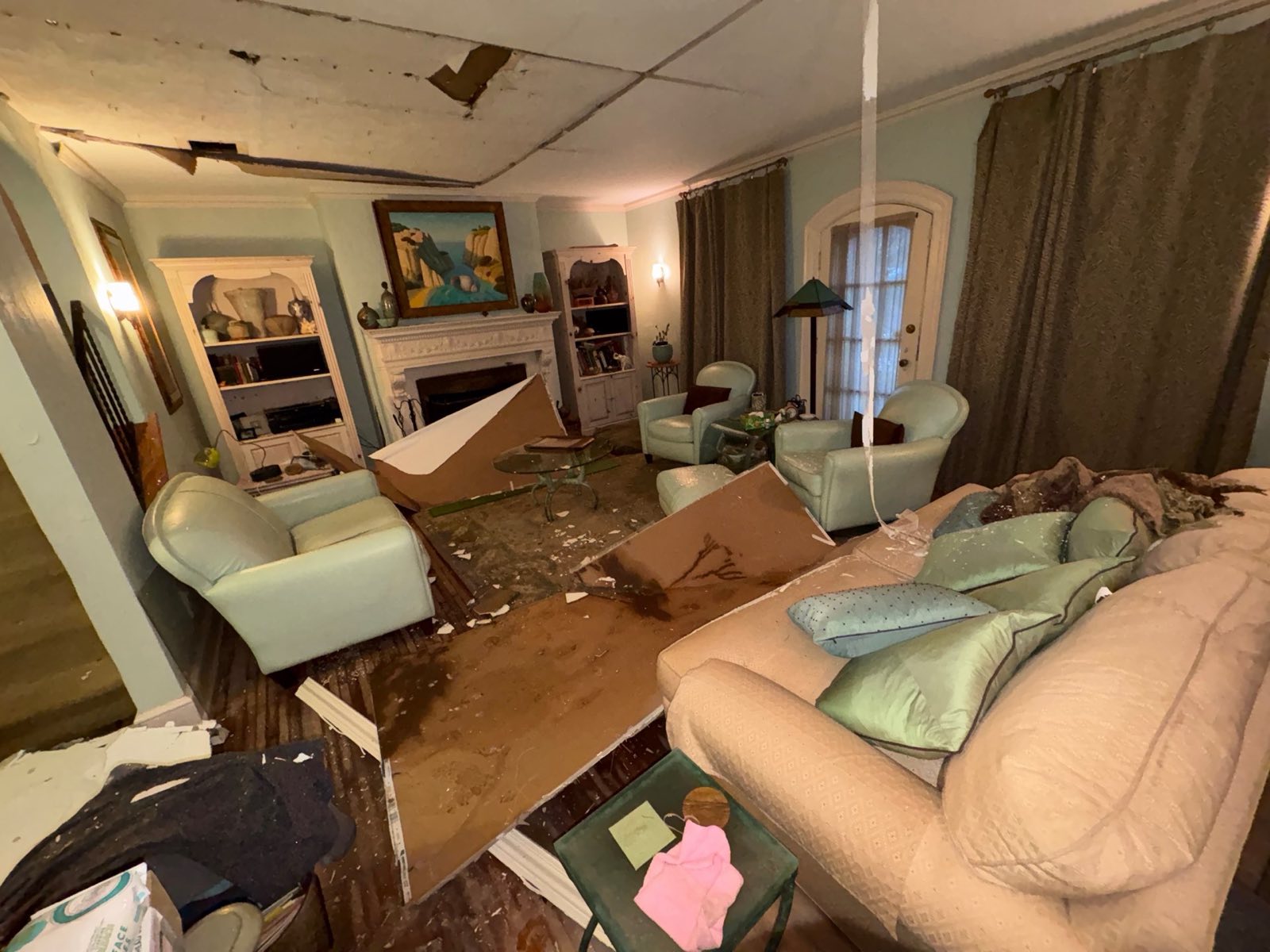
Water Damage Restoration on the Upper West Side
A radiator valve fails overnight in a Central Park West co-op, and by morning three apartments below have wet ceilings and buckling parquet. Restoration Doctor of NYC delivers water damage restoration on the Upper West Side with a response built for exactly this kind of loss: rapid dispatch, full-stack moisture mapping, and drying strategies suited to plaster, lath, and hundred-year-old hardwood rather than generic drywall playbooks.
The Upper West Side rewards contractors who understand its buildings and its people. Grand pre-war cooperatives line Central Park West, Riverside Drive, and West End Avenue; brownstone rows fill the side streets between Columbus and the river; and everywhere there are supers, resident managers, managing agents, and co-op boards whose processes must be respected for work to move. We arrive with certificates of insurance ready, coordinate freight elevator access, and keep the building informed at every step.
From burst risers in an Ansonia-era building to a flooded garden level on West 87th Street, our crews follow IICRC S500 water restoration standards and the S520 mold standard where microbial growth is found, documenting every reading so owners, boards, and insurers work from the same record.
The buildings of Upper West Side — and how they fail
West of Central Park, the defining stock is the monumental pre-war cooperative: buildings along Central Park West, West End Avenue, and Riverside Drive with thick masonry walls, plaster-on-lath partitions, steam heat fed by aging risers, and plumbing stacks serving lines of ten or more apartments. In these buildings, water rarely damages one unit alone — it follows the stack, and a competent response maps the whole line of apartments before declaring the loss contained.
The side streets tell a different story: rows of brownstones and rowhouses from the 1880s and 1890s, some still single-family, many carved into co-op or condo units, and others operating as small rentals. Brownstones concentrate risk at the top and bottom — roof and skylight leaks working down through the upper duplex, and cellar or garden-level flooding from sewer backups, foundation seepage, and heavy rain overwhelming old drains.
Riverside Drive and the blocks near the park also carry weather exposure that mid-block buildings do not: wind-driven rain against western facades, parapet and lintel deterioration, and window-line leaks that show up as mysterious stains a full season after the storm that caused them. Distinguishing a plumbing loss from an envelope leak matters, because the fix — and the documentation the building needs — is completely different.
How water losses unfold in Upper West Side
How Water Moves Through a Pre-War Co-op
In a classic Upper West Side co-op, kitchens and bathrooms stack vertically, which means the plumbing does too. When a branch line, riser, or fixture fails on a high floor, water travels the path of least resistance down the stack — through slab penetrations, along beams, inside pipe chases — and can surface several floors below the actual failure point.
That is why our first hours on an Upper West Side loss are spent mapping, not just extracting. Thermal imaging and penetrating moisture meters let us trace the wet path through plaster ceilings and wall cavities in each affected unit, with the resident manager coordinating access. The apartments that look dry today are the ones that grow mold next month if nobody checks them.
We log readings unit by unit and share the record with the managing agent, so when questions arise later about which apartments were affected and how far the water traveled, there is a contemporaneous answer rather than a guess.
Brownstone Cellars, Garden Levels, and Roof Leaks
Brownstone losses on the side streets are their own category. Garden and cellar levels sit at or below the sewer line, and intense rain events routinely push water back through floor drains and old waste lines into finished lower levels. Category 3 water in a finished cellar calls for containment, removal of porous materials that cannot be sanitized, and antimicrobial treatment — not just fans.
At the top of the house, aging roofs, skylights, and parapet walls admit water that travels down through the party-wall side of the structure, staining plaster crown moldings and pocket-door partitions along the way. Slow envelope leaks in a brownstone are frequently discovered late, so the drying scope has to be established by measurement, opening only what testing proves is wet.
Where original details are involved — plaster medallions, wainscoting, heart-pine floors — we bias hard toward controlled in-place drying and targeted openings, preserving fabric that is genuinely irreplaceable. Costs vary with severity: a contained single-room drying job may run in the low thousands, while a saturated multi-level brownstone loss can reach well into five figures depending on materials and duration.
Boards, Managing Agents, and Getting Work Approved
Emergency mitigation in an Upper West Side co-op moves at the speed of the building's process, so we make the process fast. Certificates of insurance naming the co-op, its managing agent, and required additional insureds go out before the crew arrives; freight elevators get booked; floor protection goes down from service entrance to apartment door.
Who pays for what — unit owner, building, an upstairs neighbor, or their respective insurers — depends on the proprietary lease, house rules, and the policies involved, and those vary building to building. HO-6 unit-owner policies and building master policies divide responsibility differently in nearly every building, so we focus on what we can control: honest scope, thorough documentation, and readings that stand up to scrutiny.
The owner and the building choose their contractors at every stage. Our mitigation documentation is written so the board can review it quickly, the rebuild contractor can price from it, and any insurer reviewing the file sees a clear, dated record of what was wet, what was dried, and what was removed.
Upper West Side neighborhoods we serve
Real communities — and the water losses we most often see in each.
Landmark pre-war cooperatives where multi-unit stack leaks are the norm and board processes shape every project.
Grand pre-war stock with Hudson-facing weather exposure — wind-driven rain and facade leaks compound plumbing risks.
North of 96th Street, a mix of walk-ups, rowhouses, and larger rentals with older shared risers and frequent upstairs-neighbor losses.
Post-war and newer high-rises near Lincoln Center with modern systems but complex amenity and mechanical floors.
Classic rowhouse side streets where garden-level backups and roof leaks bracket the risk from both ends.
West 96th–110th corridor of pre-war apartment houses and conversions with aging plumbing stacks and plaster interiors.
Full restoration services in Upper West Side
One operation covers every category — from emergency mitigation to full reconstruction.
Water Damage Restoration
Restoration Doctor of NYC provides emergency water extraction, moisture mapping, and structural drying for apartments, co-ops, condos, brownstones, and commercial spaces throughout the five boroughs, working within building rules, insurance documentation requirements, and the realities of vertical living.
Sewage Cleanup
Restoration Doctor of NYC performs emergency sewage extraction, contaminated-material removal, cleaning, and disinfection for sewer backups and drain failures in brownstone cellars, apartment buildings, and commercial spaces throughout New York City.
Mold Remediation
Restoration Doctor of NYC provides containment-based mold remediation for apartments, brownstones, and commercial spaces across the five boroughs, performed in a manner consistent with the IICRC S520 standard and with awareness of New York State and City mold regulations.
Fire Damage Restoration
Restoration Doctor of NYC handles the full arc of fire recovery in New York City properties — emergency board-up and securing, smoke and soot cleaning, odor treatment, water mitigation from firefighting, and structural rebuild — with the building coordination that multi-unit fires demand.
Contents Restoration
Restoration Doctor of NYC provides full contents services for New York City losses: detailed photo inventory, professional pack-out through the realities of NYC building access, specialized cleaning and deodorization, climate-controlled storage outside Manhattan, and coordinated return after rebuild.
Reconstruction
Restoration Doctor of NYC rebuilds water-, fire-, and mold-damaged spaces across the five boroughs, managing the approvals, access logistics, and trade coordination that New York buildings require, and restoring everything from patched drywall to full gut renovations of loss-affected units.
Verify us before you call
Our customer feedback lives on the network's verified reviews hub and on our New York City Google Business Profile — source-linked aggregates, never numbers typed onto a marketing page. Check both, then call.
Frequently asked
Active water, mold, fire, or sewage event?
Connect directly with the Restoration Doctor team for your region. Crews are on standby 24/7 with documented response protocols.
Financing available through Stripe, subject to lender approval.