
Contents Restoration and Pack-Out Services in NYC
Your apartment can be rebuilt. Your grandmother's photographs, your books, your wardrobe, your kids' artwork — those need a different kind of care. Restoration Doctor of NYC inventories, packs, cleans, stores, and returns your belongings so the rebuild can happen around an empty, protected space.
Why Contents Come Out Before the Real Work Begins
Restoration work and personal belongings do not mix. Demolition dust settles into upholstery, drying equipment blasts warm air across everything in the room, soot-cleaning chemistry needs clear surfaces, and every item left in the work area is one more thing to move six times and damage once. A pack-out — professionally inventorying and relocating your contents before the structural work starts — protects your belongings, speeds the work in the unit, and gives your items the specialized cleaning that cannot happen amid construction.
In New York apartments the case is even stronger, because there is nowhere to shuffle things to. A suburban house has a garage and three spare rooms; a one-bedroom in Manhattan has a closet. When a loss touches most of a small apartment, working around the contents is not slower — it is impossible. Getting belongings out cleanly is often the difference between a three-week project and a three-month one.
Not everything needs to leave. On smaller losses, we sometimes protect contents in place with containment and covering, or move them within the unit. Part of our initial assessment is an honest sort: what should be packed out for cleaning, what can be protected in place, and what is non-restorable and should be documented and disposed of rather than paying to move, store, and return it.
Inventory Is the Foundation of Everything
Before anything goes into a box, it gets documented. Every item is photographed and logged into an inventory with a description, condition notes, and a location code tying it to a specific box, room of origin, and storage position. Damaged items are photographed in their as-found condition. This is painstaking, and it is the whole ballgame: the inventory is how you know where everything is for the months your belongings are in storage, how non-restorable items are substantiated for your insurer, and how the return goes back room by room instead of becoming a guessing game.
You receive the inventory, and you stay in control of it. If you need your winter coats or your passport out of storage in month two, the location coding means we can retrieve a specific box rather than excavating a vault. Items you designate as high-value or sentimental are flagged, packed, and stored accordingly.
For non-restorable items, the inventory does double duty as a total-loss record: item, photo, condition, and disposition, in a format your carrier's review process can work with. We document; determinations about coverage and valuation belong to you and your insurer.
Cleaning Is Item-by-Item, Not One-Size-Fits-All
A smoke-saturated leather jacket, a water-stained mahogany dresser, and a soot-filmed stand mixer need three different processes, and treating them identically ruins at least two of them. At our facility, contents are triaged by material and damage type: textiles and clothing to specialized laundering and deodorization; hard furniture to hand cleaning and appropriate refinishing assessment; electronics to careful evaluation of whether restoration is worthwhile; books, documents, and photographs to the gentlest handling of all, where options depend heavily on how quickly they reached us.
Odor removal is half the battle for fire and smoke contents. Items that look pristine can carry embedded smoke odor that a closet full of clothes will announce the day they come home. Deodorization happens at the facility as part of cleaning — treated, aired, and verified by the least forgiving instrument there is, the human nose — before anything is wrapped for storage.
We are candid about restoration economics. Some items cost more to restore than to replace, and unless a piece carries sentimental or antique value that changes the math, we will tell you when replacement is the rational path. You decide; our job is an honest recommendation per item, not maximizing the cleaning list.
Storage Outside Manhattan, Service Inside It
Climate-controlled storage space is one thing Manhattan does not offer at reasonable scale, so like most contents operations serving the city, we store in secure facilities in the outer boroughs and nearby metro area, where your belongings hold in stable temperature and humidity for the weeks or months your rebuild requires. Vaulted storage keeps each client's contents sealed and separate, and the inventory's location coding covers the storage position of every box and item.
Distance does not mean inaccessibility. Because everything is logged and coded, retrieving specific items mid-storage is a scheduled request, not an archaeology project. And when the rebuild finishes, the return trip is planned with the same building coordination as the pack-out — COI, freight elevator, floor protection — so move-back day is orderly.
Storage duration usually tracks the rebuild schedule, which in co-ops and condos can include board approvals and alteration-agreement timelines beyond anyone's control. Contents pricing varies with volume, the cleaning scope, and storage duration — a studio pack-out with light cleaning and a large multi-room loss with months of storage are different projects by an order of magnitude — so we quote ranges after seeing the loss, never flat numbers over the phone. Call (646) 789-6264 to talk through your situation.
The Pack-Out, Start to Finish
Contents work in New York City succeeds on logistics. Here is how a pack-out actually unfolds, from the first photograph to the last box carried back in.
- Inventory
Every item is photographed, condition-noted, and logged with a location code before it moves an inch. Damaged items are documented as found. You receive the full inventory, and it governs everything that follows — packing, storage position, retrievals, and the room-by-room return.
- Pack-out
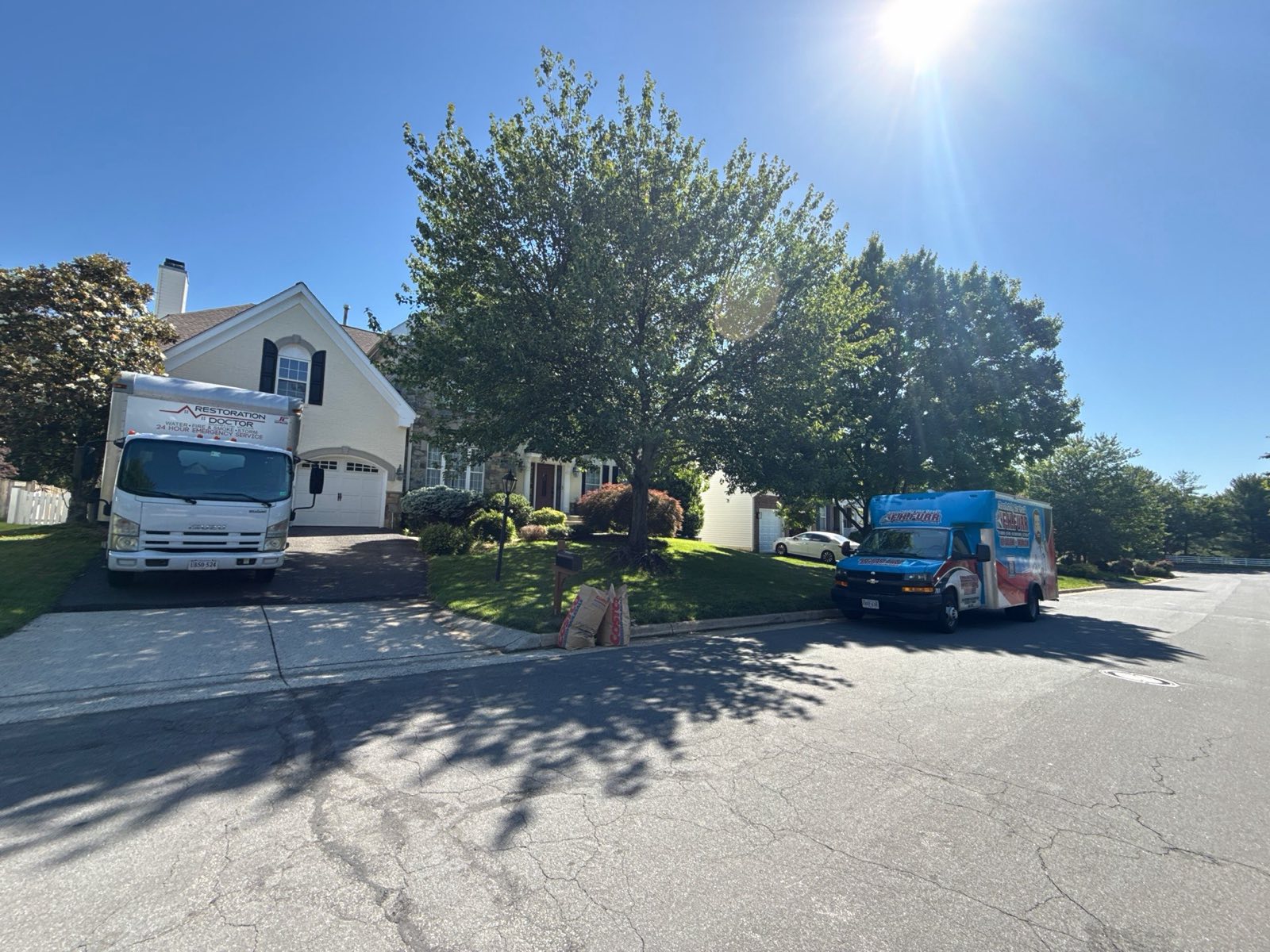
Crews pack by room using materials matched to the contents — dish packs, wardrobe boxes, custom crating for art and fragile pieces. In managed buildings we schedule the freight elevator in advance, deliver the COI your management company requires, and protect lobby and hallway floors along the route. Walk-ups get extra hands and slower, safer trips.
- Transport
Sealed and manifested boxes travel by truck to our facility, checked against the inventory at both ends. Nothing leaves your unit or enters the vault without reconciling to the list — chain of custody is the point.
- Cleaning
At the facility, contents are triaged by material and damage type: textiles to specialized laundering and deodorization, furniture to hand cleaning, electronics to evaluation, documents and photos to careful specialty handling. Smoke odor is treated and verified before anything is wrapped for storage.
- Storage
Cleaned contents hold in climate-controlled vaulted storage outside Manhattan — sealed, separate, and location-coded — for as long as your rebuild takes. Need something back mid-project? The inventory code pulls the exact box on a scheduled retrieval.
- Return
When the rebuild passes final walkthrough, we book the freight elevator again, refresh the COI if the building requires it, and deliver everything back room by room per the inventory. Boxes are placed where their contents belong, the return is reconciled against the list, and you sign off on a completed inventory — not a pile in the living room.
Frequently asked
Active water, mold, fire, or sewage event?
Connect directly with the Restoration Doctor team for your region. Crews are on standby 24/7 with documented response protocols.
Financing available through Stripe, subject to lender approval.